Gluten-Free and Low-Sugar Cocktails: What the Labels Really Mean
Drinks labels now promise "naturally gluten-free", "no processed sugar" and "no artificial sweeteners". Those claims can be true and still be easy to misunderstand. Here is what they mean for whiskey and honey cocktails, explained plainly. This is general information, not medical advice: if you have coeliac disease, diabetes or another condition, talk to your doctor.
Is whiskey gluten-free?
Whiskey is made from grains such as rye, barley and wheat, all of which contain gluten. But gluten is a protein, and proteins do not evaporate and travel through a still with the alcohol. For that reason many coeliac organisations, including the US Celiac Disease Foundation, consider pure distilled spirits to be gluten-free, even when they are made from gluten grains.
There are important caveats:
- Flavourings, colourings or additives added after distillation could contain gluten.
- Some people with coeliac disease report reactions to grain-based spirits and choose to avoid them anyway.
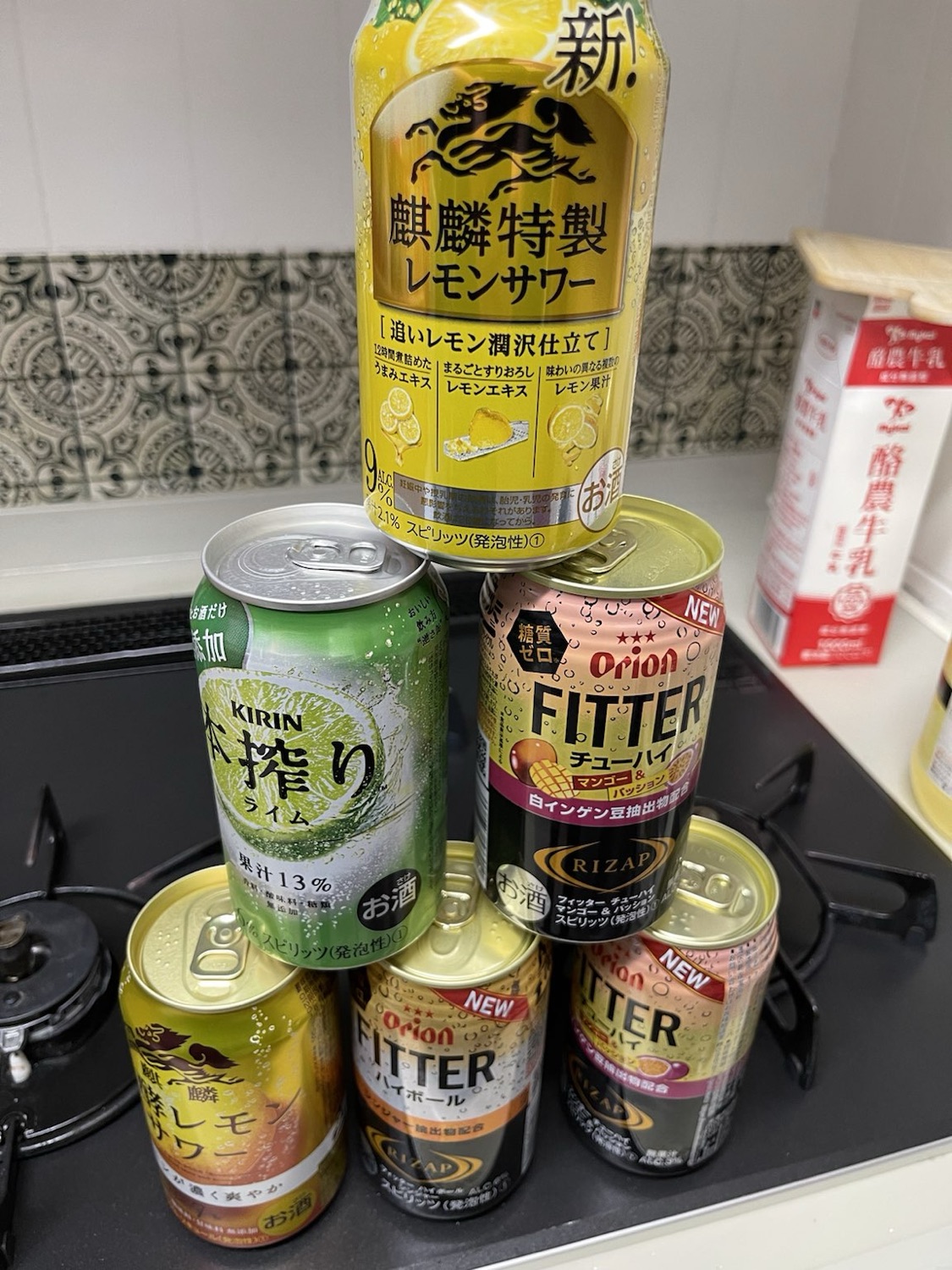
- Liqueurs, cream drinks and malt-based "flavoured" drinks are a different matter. Many canned drinks that taste of whiskey are made on a malt base, which is brewed from barley. See our canned cocktail guide.
- Label rules on gluten claims for alcohol vary by country, and in the US they are set by the federal alcohol regulator rather than the food regulator. Brands word their claims carefully for that reason.
Honey, sugar and "no processed sugar"
Honey is a natural, minimally processed food, but it is still mostly sugar: roughly four-fifths fructose and glucose, with most of the rest water. A tablespoon carries about 60 calories. "No processed sugar" therefore means "no refined white sugar", not "no sugar". Honey tastes sweeter than table sugar by weight, so you may use a little less of it, and it brings flavour that white sugar does not. Those are real advantages for a cocktail, but not a health halo.
How much sugar is in your drink?
| Drink | Typical sweetener | Approx. sugar |
|---|---|---|
| Whiskey and soda highball | None | 0 g |
| Rye, honey and lemon highball | ½ oz 1:1 honey syrup | About 8–10 g |
| Gold Rush | ¾ oz honey syrup | About 12–17 g |
| Mint Julep | ½ oz simple syrup | About 8 g |
| Rum and cola | 4 oz cola | About 13 g |
Figures are rough and depend on your syrup. Remember that alcohol itself carries about 7 calories per gram, so a 1.5 oz pour of 40% whiskey has roughly 95 to 100 calories before any mixer.
Building lighter drinks
- Lengthen with soda: a highball has a fraction of the sugar of a sour.
- Use rich 3:1 honey syrup and less of it; you get the honey flavour with less volume.
- Lean on aroma: lemon peel, bitters and fresh herbs make a drink taste fuller without sugar.
- Alternate with sparkling water. It is the oldest bar trick there is, and it keeps your head clear for the evening, whether that means good conversation or a sharp game of cards at a home casino night.