Whiskey at the Tables: A Bar History of Monte Carlo and Atlantic City
Monte Carlo and Atlantic City could hardly be more different: one a tiny Mediterranean principality built around a palace of a casino, the other a boardwalk resort on the New Jersey shore. Both, though, were built on the same mix of gambling, glamour and good drinks, and both have bar histories worth knowing.
Monte Carlo: a casino that built a city
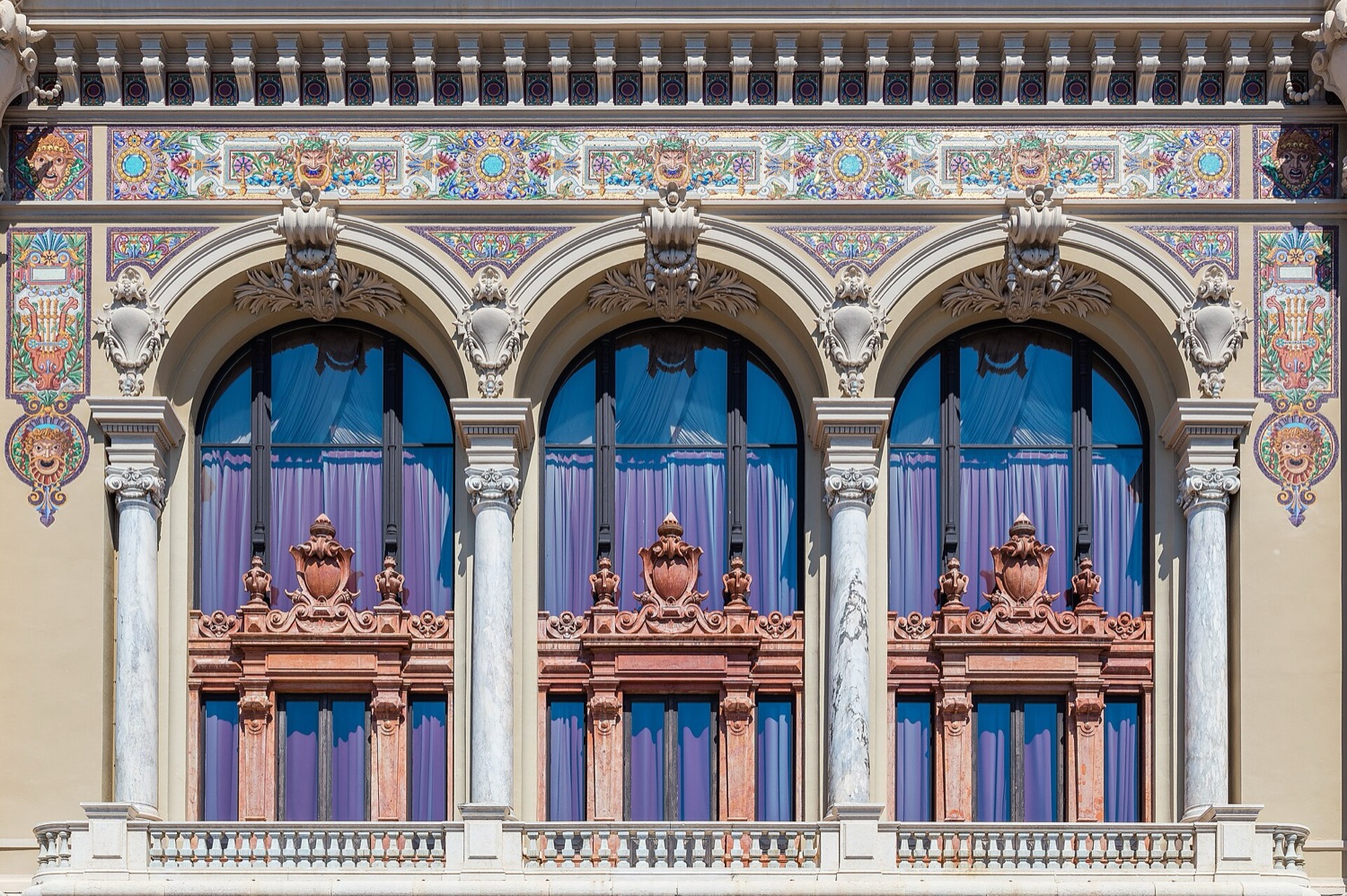
In the 1850s and 1860s Monaco was short of money. Prince Charles III turned to gambling, and in 1863 the Société des Bains de Mer was founded to run a casino and resort, with the businessman François Blanc in charge. The district around the casino was named Monte Carlo in the prince's honour. The railway from Nice brought wealthy visitors, and the casino building was expanded by Charles Garnier, the architect of the Paris Opera, at the end of the 1870s.
The Hôtel de Paris opened beside the casino in 1864. Its Bar Américain became one of the Riviera's classic hotel bars, serving cocktails to high rollers, royalty and film stars in the era when American drinks and American visitors arrived in Europe in large numbers. The style of the place, with dinner jackets, a long bar and a short walk to the gaming rooms, is exactly the world Ian Fleming evoked for the casino in Casino Royale.
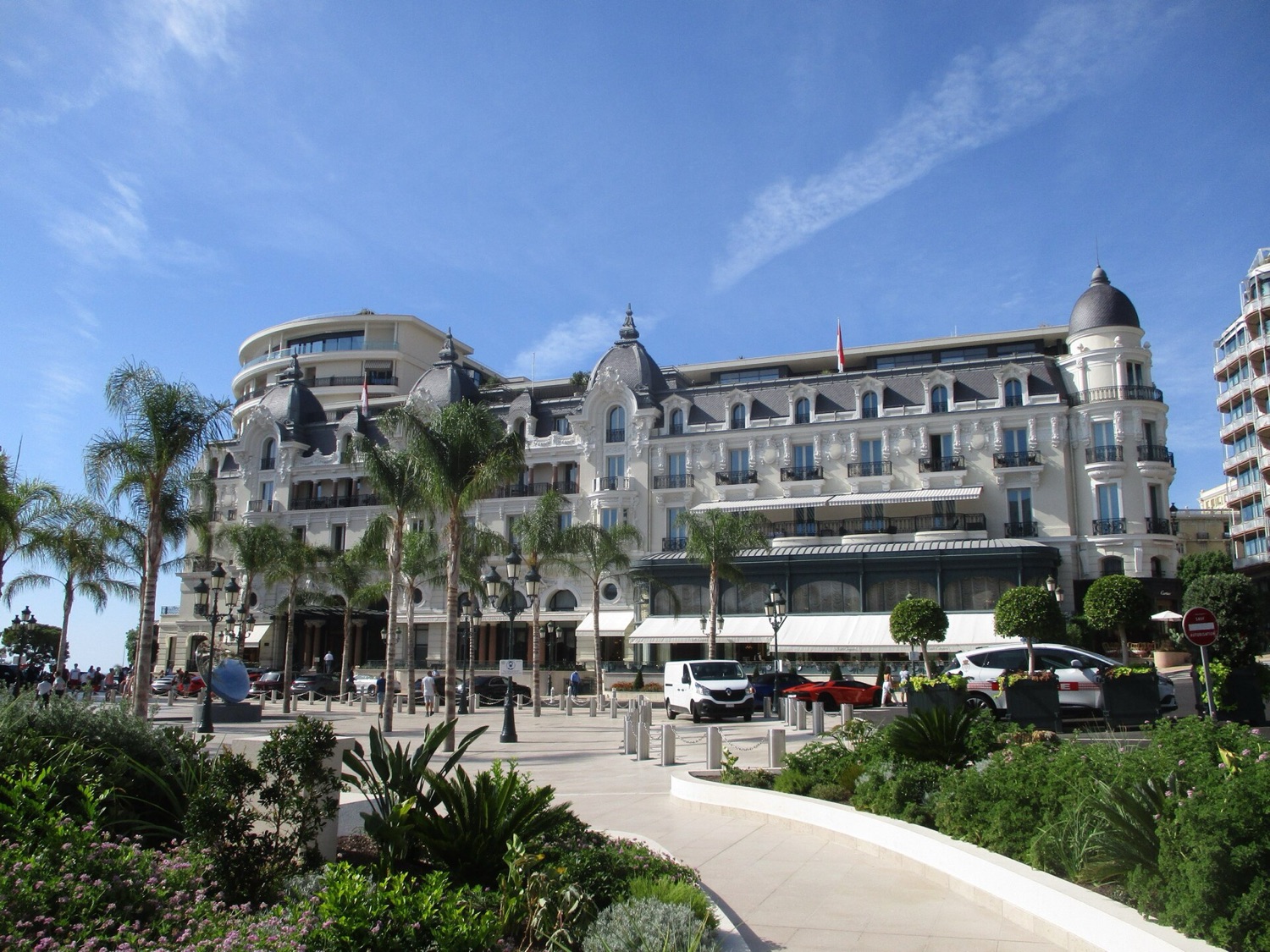
Whiskey on the Riviera
Whiskey arrived in Monte Carlo with British and American visitors. Scotch and soda was the standard order of the British aristocracy on the Riviera in the late nineteenth and early twentieth centuries, and American visitors brought a taste for bourbon cocktails. During American Prohibition, from 1920 to 1933, Europe's resort bars became a refuge for Americans who wanted a legal drink; many of the classic cocktails of the era were first written down by bartenders working in Paris, London and on the Riviera.
Atlantic City: the World's Playground
Atlantic City grew in the late nineteenth century as a seaside resort for Philadelphia and New York, with the first boardwalk built in 1870. By the 1920s it called itself the "World's Playground". Prohibition barely touched it. Under the political boss Enoch "Nucky" Johnson, the city's hotels and nightclubs served alcohol openly, and illegal gambling rooms ran in the back of many venues. Rum runners landed whiskey from ships waiting offshore, much of it Scotch and Canadian whisky.
In May 1929 Atlantic City hosted one of the most famous meetings in the history of American organised crime, when gang leaders from several cities met there to divide territory and discuss the illegal liquor trade.
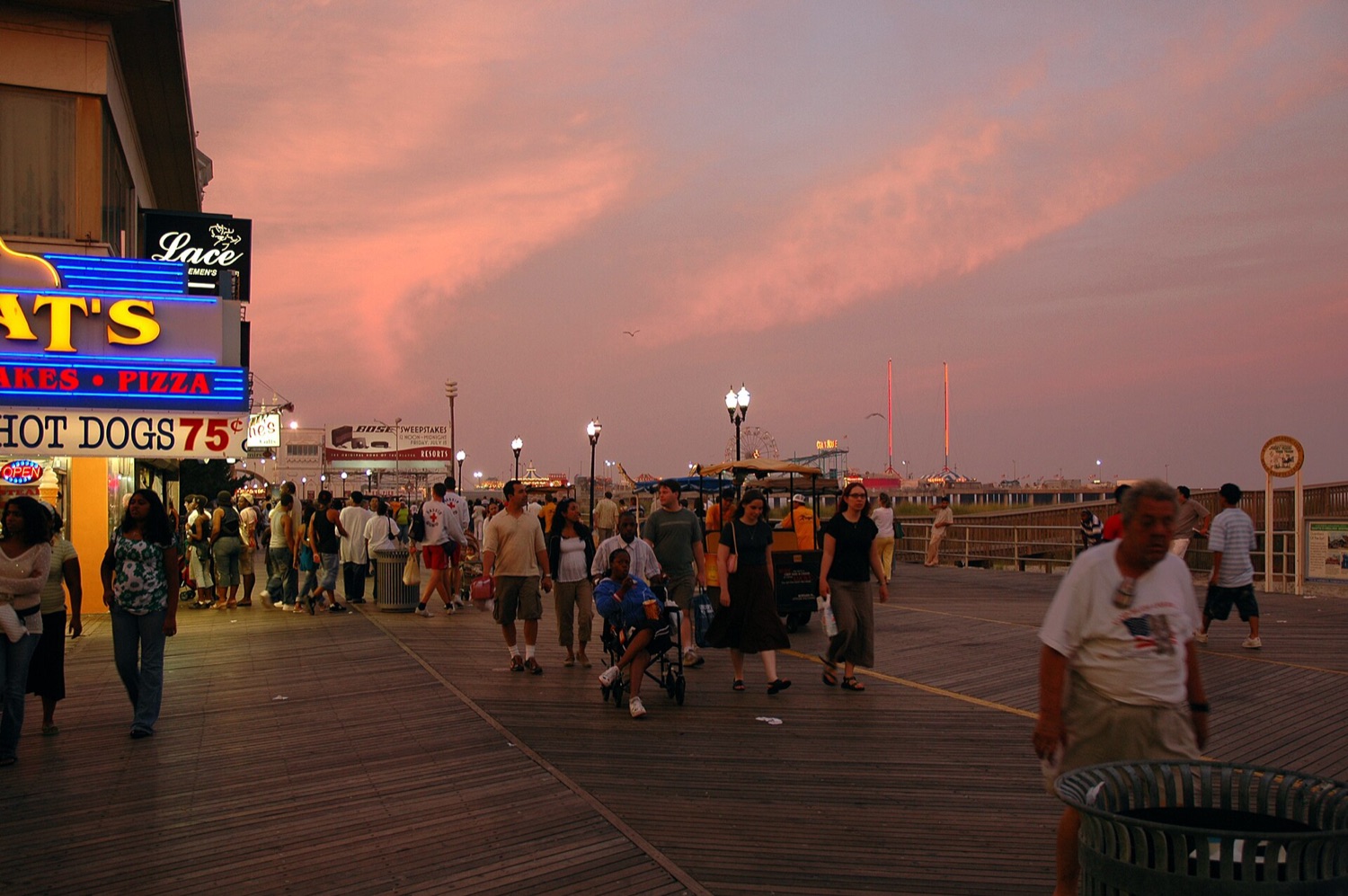
The casino era
After decades of decline, New Jersey voters approved casino gambling in Atlantic City in a 1976 referendum, and Resorts International opened in 1978 as the first legal casino in the United States outside Nevada. Today the city's casinos run cocktail bars, sportsbooks and nightclubs along the Boardwalk, and New Jersey has become one of the biggest markets for online casino games and sports betting in the country.
| Year | Monte Carlo | Atlantic City |
|---|---|---|
| 1863 | Société des Bains de Mer founded | |
| 1864 | Hôtel de Paris opens | |
| 1870 | First boardwalk built | |
| 1878–79 | Garnier's casino extension and opera hall | |
| 1920–33 | American visitors fill Riviera bars | Prohibition-era drinking and illegal gambling |
| 1976–78 | Casinos legalised; Resorts International opens |
Drinking like a high roller today
At the Hôtel de Paris, order a classic: a Scotch and soda, a martini or a Champagne cocktail. On the Boardwalk, try a whiskey highball or a honey sour. At home, recreate both with our whiskey highball and Gold Rush recipes, then set the table for a casino night.