Canned Cocktails: A Guide to the Ready-to-Drink Boom
Ten years ago a cocktail in a can usually meant something sweet and artificial. Today ready-to-drink (RTD) cocktails are one of the fastest-growing parts of the drinks business, with canned Margaritas, gin and tonics, whiskey highballs and honey sparklers on supermarket shelves and in stadium bars. Here is how the category works and how to choose a good one.
Japan got there first
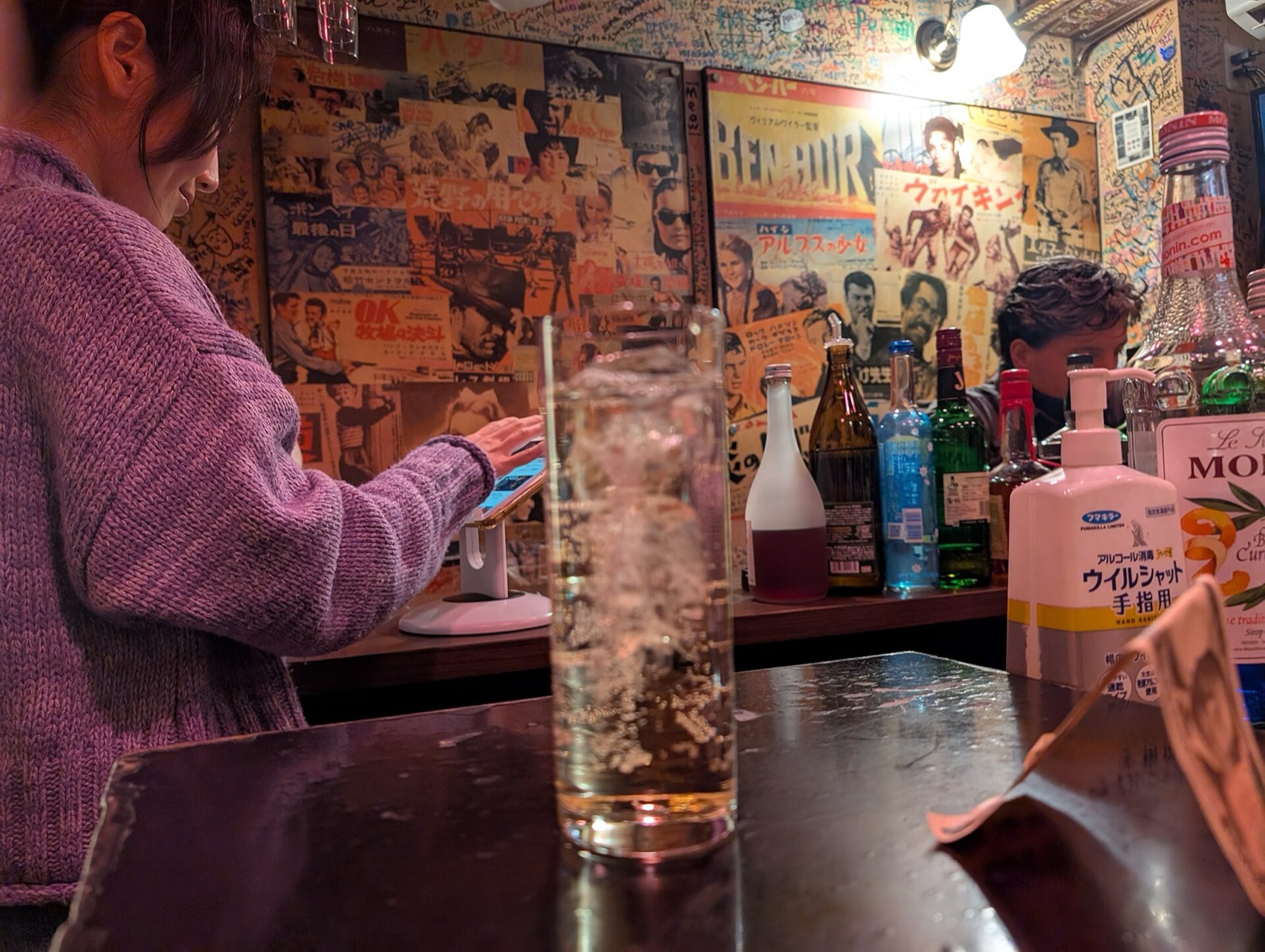
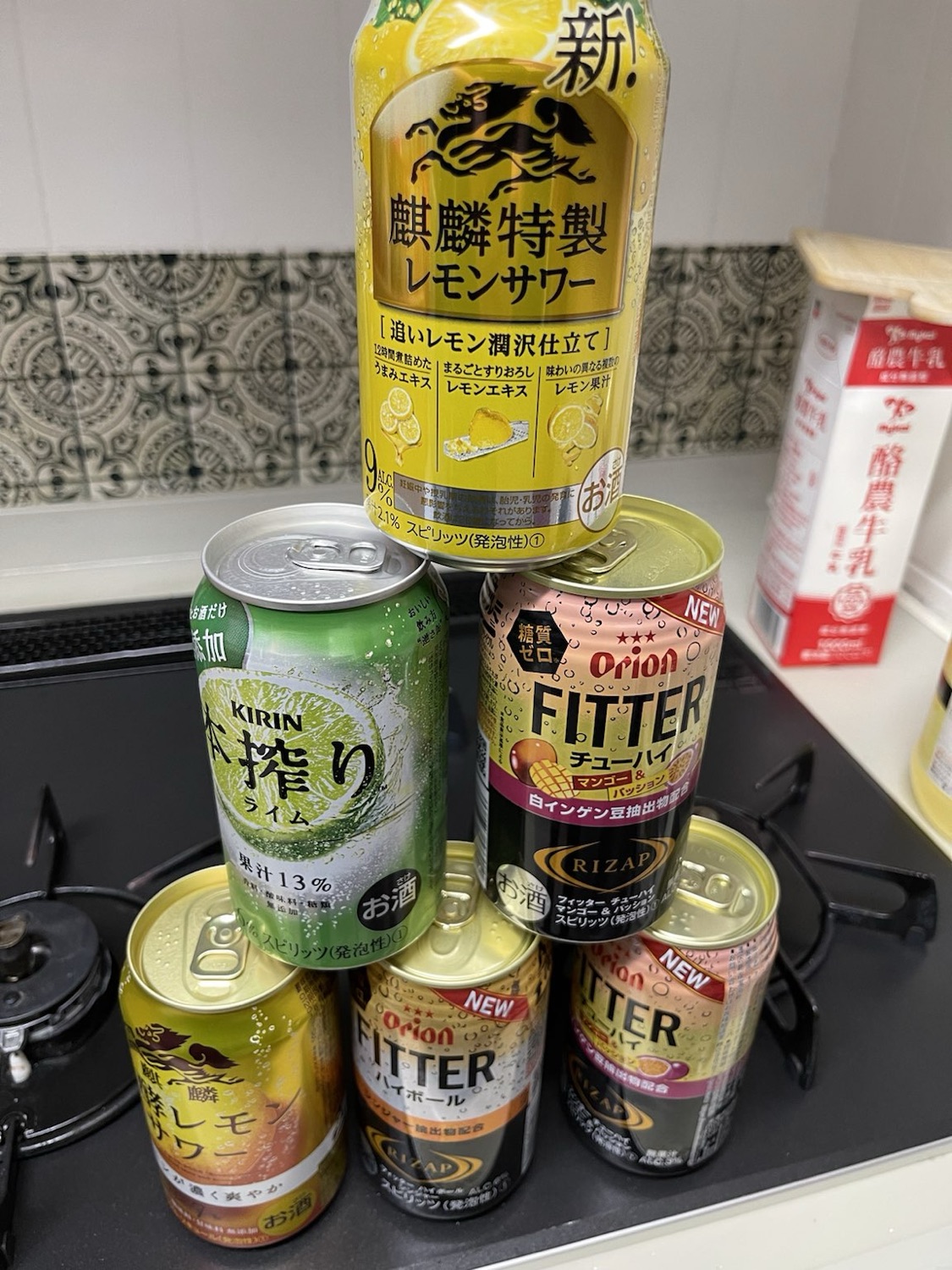
Japan has sold canned highballs and chūhai, a sparkling mix of shochu or other spirit with fruit flavours, for decades. Convenience-store fridges there carry dozens of them, including canned whisky highballs from the big distillers. The American boom came later, gathering pace in the late 2010s with hard seltzers and then spirit-based cans.
Three kinds of can
| Type | Alcohol base | What to expect |
|---|---|---|
| Spirit-based | Real whiskey, gin, vodka, tequila or rum | Closest to a bar cocktail; often higher price and stronger |
| Malt or sugar-based | Fermented malt or cane sugar, flavoured | Labelled like beer in many US states; often sold where spirits are not |
| Wine-based | Wine or fortified wine | Spritzes and sangria styles; often lower ABV |
The base matters because it changes the taste and, in the United States, the tax and where the can can be sold. A "whiskey" flavoured malt drink is not the same as a can made with real whiskey. Read the small print: spirit-based cans usually name the spirit in the ingredients.
Whiskey, honey and bubbles in a can
Honey whiskey sparklers are a small but interesting corner of the category, because the recipe is so simple: whiskey, honey, citrus and carbonated water. The New York brand Siponey is one example; its canned rye drink combined New York rye whiskey with wildflower honey, lemon and sparkling water, and a café version added cold brew coffee. Other producers make canned whiskey highballs, whiskey and ginger, or whiskey lemonades. If you want to taste the idea before buying, make our rye, honey and lemon highball at home.
What to look for on the label
- ABV. Cans range from around 4% to well over 10%. A 12 oz (355 ml) can at 7% contains about as much alcohol as a standard mixed drink, sometimes more.
- The base spirit. "Made with rye whiskey" tells you more than "whiskey flavour".
- Sweeteners. Honey, cane sugar, juice, or artificial sweeteners. If you care about sugar, see our explainer on gluten-free and low-sugar drinks.
- Size. Many spirit cans are smaller, 200 to 250 ml, because the drink is stronger.
Serving a can well
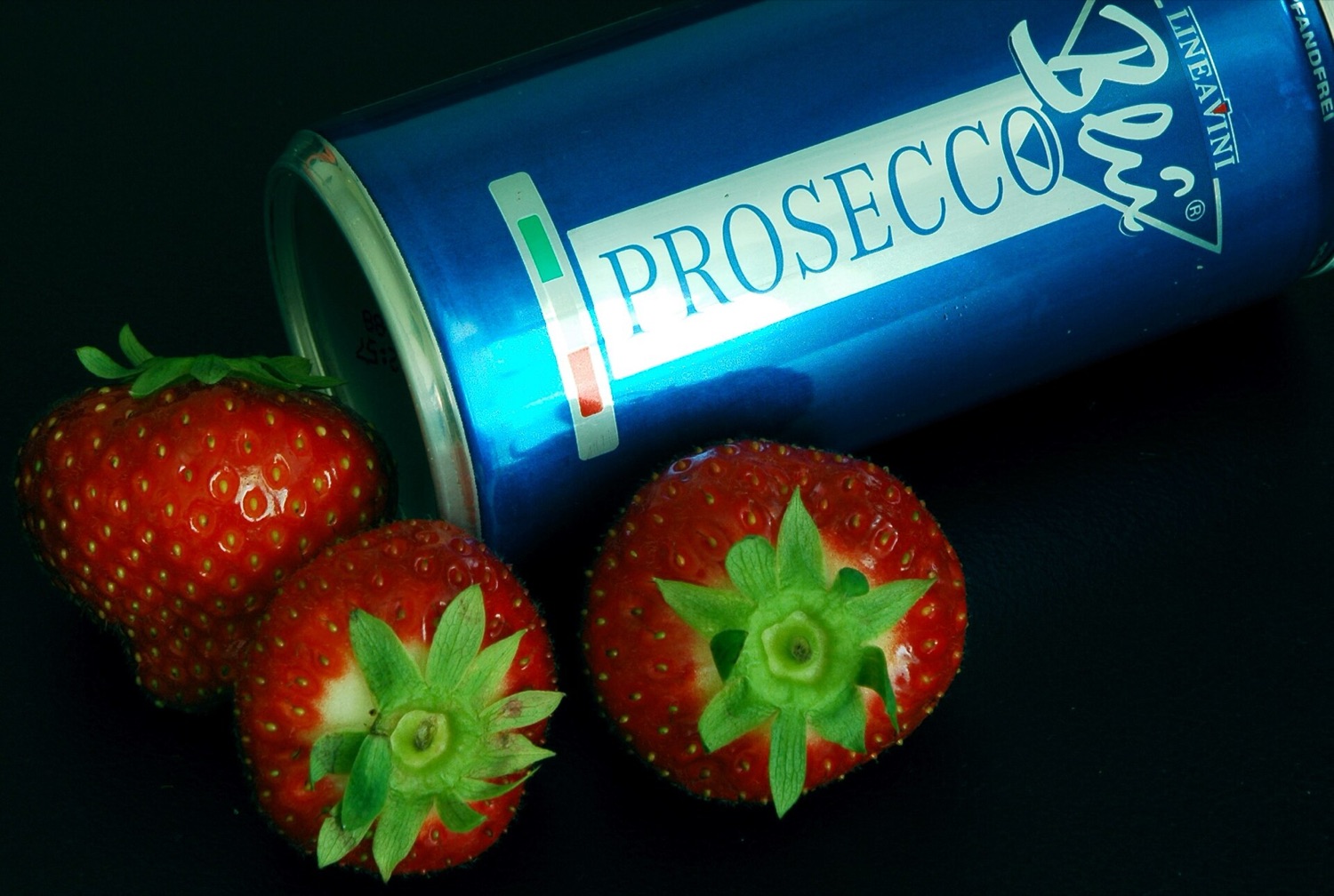
Chill cans thoroughly, ideally in an ice bath rather than the fridge door. Pour into a tall glass over fresh ice and add a twist or a wheel of citrus: the aroma makes a can taste closer to a bar drink. For a crowd, a bucket of canned highballs next to a tray of glasses and a bowl of lemon wheels looks generous and saves the host hours behind a shaker, a tactic we use at every cocktail party.
Cans by the pool and the sportsbook
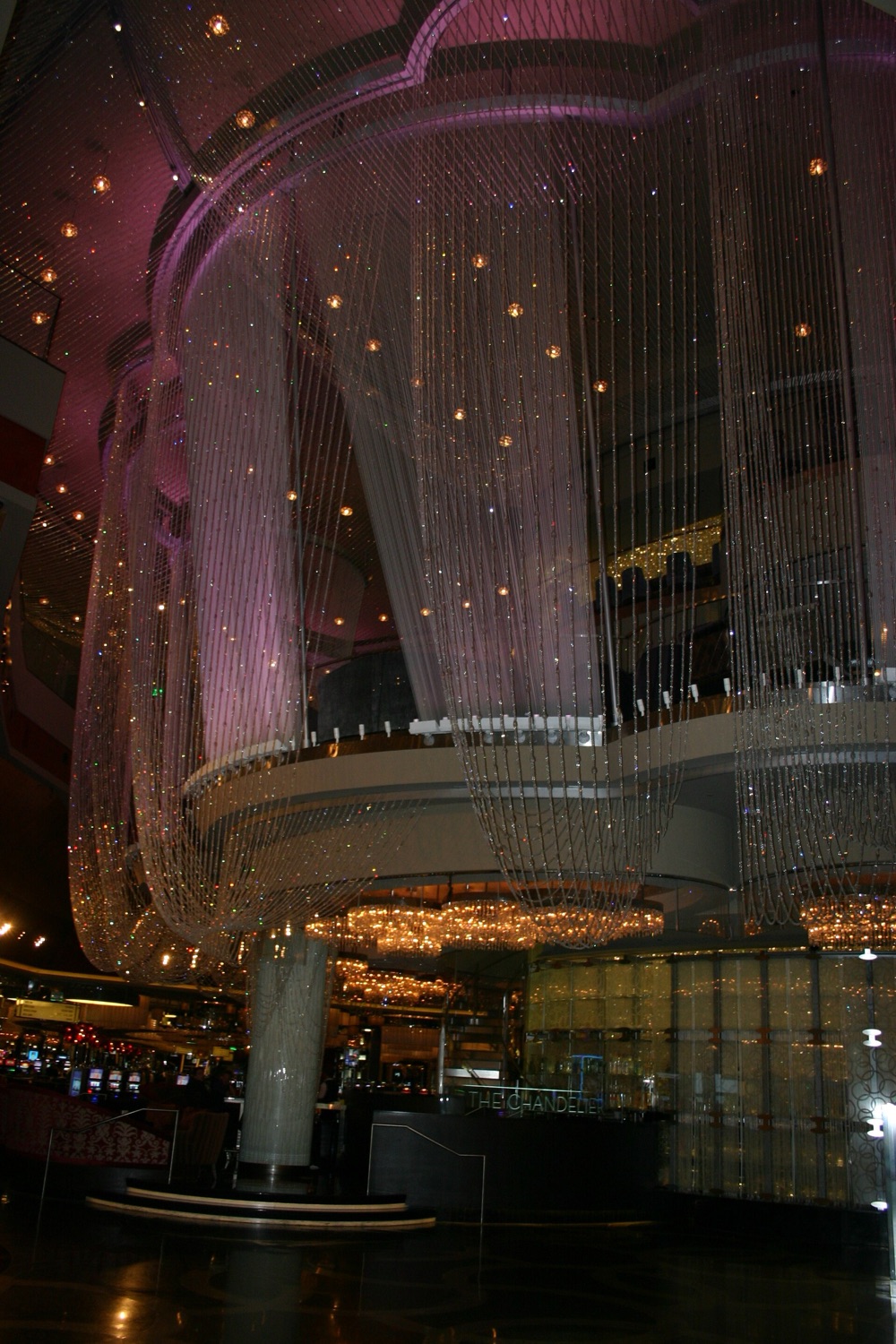
Ready-to-drink cocktails have found a natural home in places where glass is a problem: beaches, stadiums, racetracks and Las Vegas pool parties. Casino resorts increasingly stock canned cocktails at pool bars and in their sportsbooks, where fans watching the game want something quick and cold. For more on drinking in the casino world, read our guide to Las Vegas casino bars.