Rye vs Bourbon: What the Label Rules Mean in Your Glass
Rye and bourbon are close relatives. Both are American whiskeys, both are aged in new charred oak, and both follow almost identical federal rules. The difference starts with the grain, and it shows up in every cocktail you make with them.
The legal definitions
Under US federal standards of identity, bourbon must be made from a grain mix of at least 51 percent corn, and rye whiskey from at least 51 percent rye. Everything else is shared:
Bourbon and rye: shared US rules
- Made in
- The United States (bourbon); rye may be made elsewhere but US rye follows these rules
- Distilled to
- No more than 160 proof (80% ABV)
- Barrel entry
- No more than 125 proof (62.5% ABV)
- Barrel
- New, charred oak containers
- Bottled at
- At least 80 proof (40% ABV)
- Additives
- No added colouring or flavouring for straight whiskey
- Straight
- Aged at least two years; an age statement is required under four years
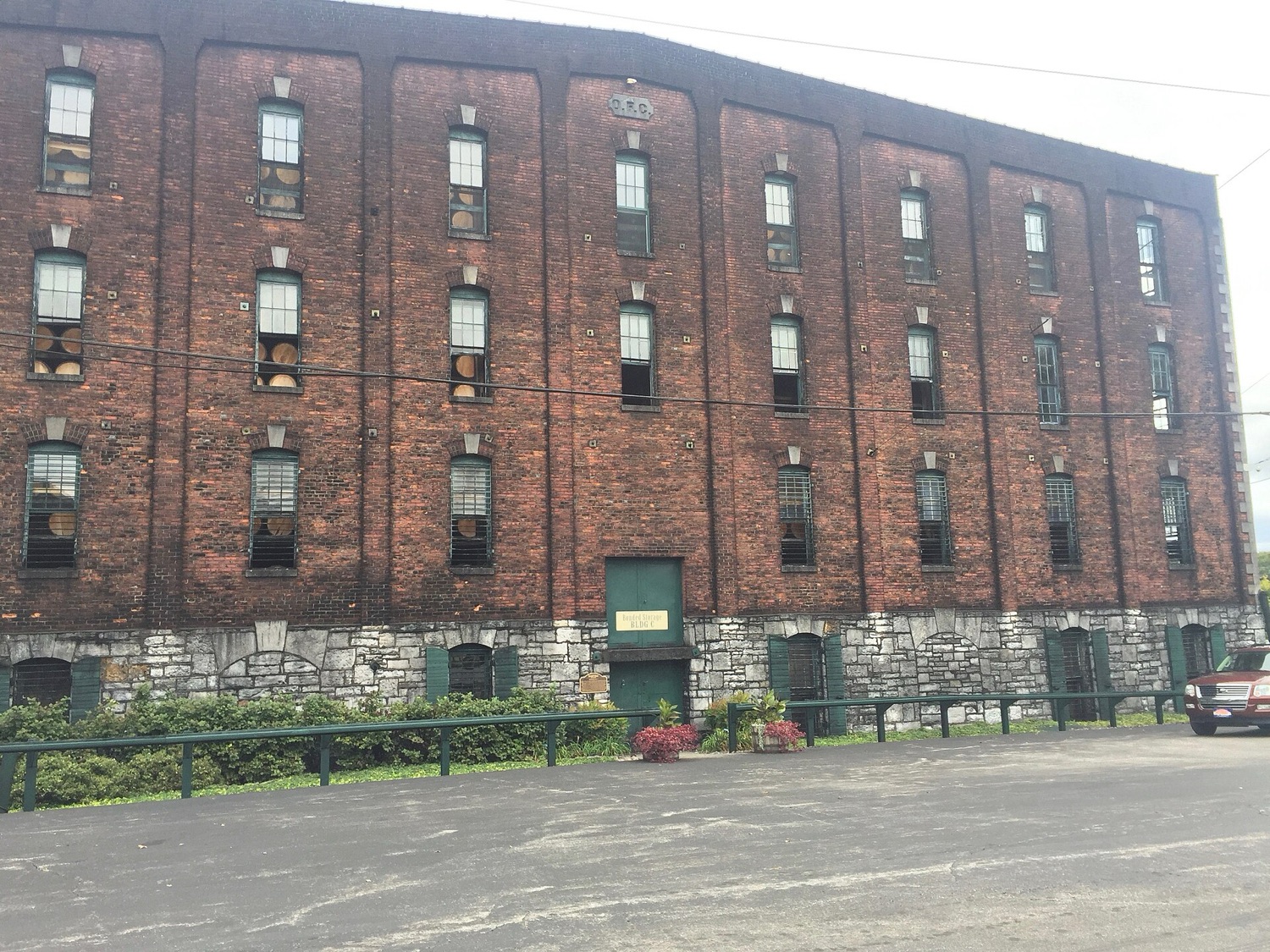
Bottled-in-bond adds stricter rules: one distillery, one distilling season, at least four years in a bonded warehouse and bottled at exactly 100 proof. It is a good shortcut to a whiskey with enough strength for sours.
How they taste
| Bourbon | Rye | |
|---|---|---|
| Main grain | Corn (51%+) | Rye (51%+) |
| Typical flavours | Vanilla, caramel, baked fruit | Pepper, baking spice, herbs, dried fruit |
| Texture | Round, sweet | Drier, sharper |
| Classic cocktails | Gold Rush, Mint Julep, Old Fashioned | Manhattan, Sazerac, rye highball |
| With honey | Rich, dessert-like | Balanced, honey reads as floral |
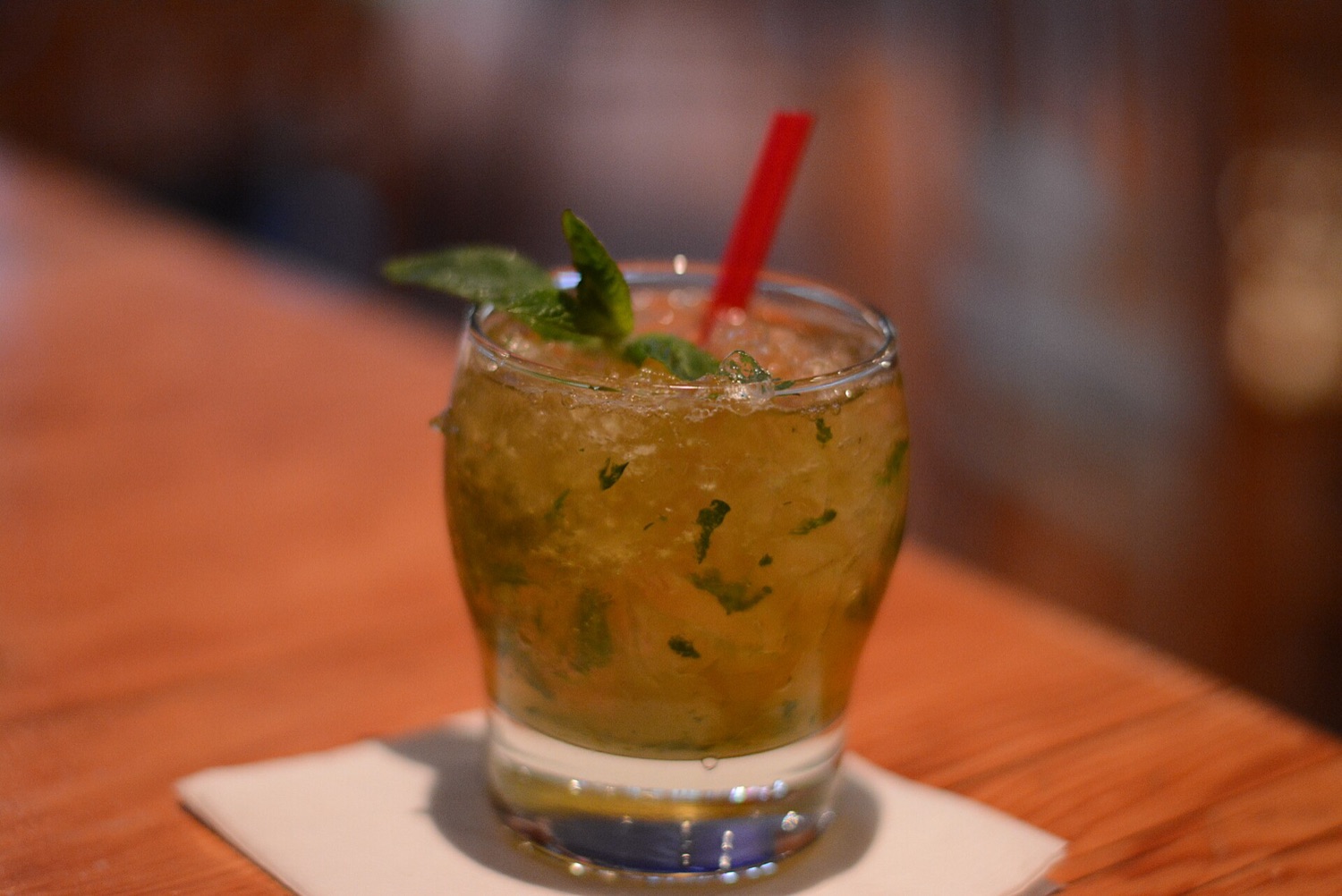
Neither is "better". Corn sweetness makes bourbon the natural partner for mint in a Mint Julep, while rye's spice keeps a honey drink from turning cloying. That is why many bartenders reach for rye in a honey and lemon highball and bourbon in a Gold Rush.
A little history
Before Prohibition, rye was the dominant whiskey in the Northeast. Pennsylvania's Monongahela rye and Maryland rye were famous, and New York farms grew rye in large quantities. Prohibition and the decades that followed hit rye hard, and bourbon from Kentucky became the default American whiskey. Since the 2000s rye has staged a big comeback, helped by the cocktail revival and by craft distillers such as those behind the Empire Rye standard.
Choosing a bottle for cocktails
- For sours and highballs: 90 to 100 proof holds its flavour through lemon, honey and dilution.
- For a julep: a soft, sweet bourbon; the crushed ice will dilute it a lot.
- For a Manhattan: a high-rye whiskey with plenty of spice.
- Budget: a well-made bottled-in-bond whiskey often beats a pricier bottle in a cocktail.
Bourbon, rye and a day at the races
The rivalry has a sporting side. Kentucky's bourbon is tied to Churchill Downs and the Derby, where the julep is the official drink and the betting windows are as busy as the bars. New York's rye has its own racing town in Saratoga Springs, home to one of the oldest racecourses in the country and to the Canfield Casino, once one of America's grandest gambling houses. Pick your whiskey, pick your track.