New York State Craft Distilling: Farm Distilleries and Empire Rye
For most of the twentieth century New York made almost no whiskey of its own. Today it has well over a hundred craft distilleries, a rye whiskey standard of its own and farms that sell grain, honey and apples to the people making spirits. Here is how that happened.
Before Prohibition
New York was once serious whiskey country. The state grew large amounts of rye, and distilleries operated from Brooklyn to the Hudson Valley and the Finger Lakes. Brooklyn's illegal stills were notorious enough that federal agents raided them in force in the "Whiskey Wars" of the late 1860s and early 1870s. Prohibition ended almost all of it, and when repeal came in 1933 the industry consolidated elsewhere.
The craft revival
The modern story usually begins with Tuthilltown Spirits in Gardiner, in the Hudson Valley, founded in the early 2000s by Ralph Erenzo and Brian Lee. Tuthilltown is widely described as the first whiskey distillery to operate in New York since Prohibition, and its Hudson whiskeys helped prove there was a market for small-batch American spirits. The brand was later bought by William Grant & Sons.
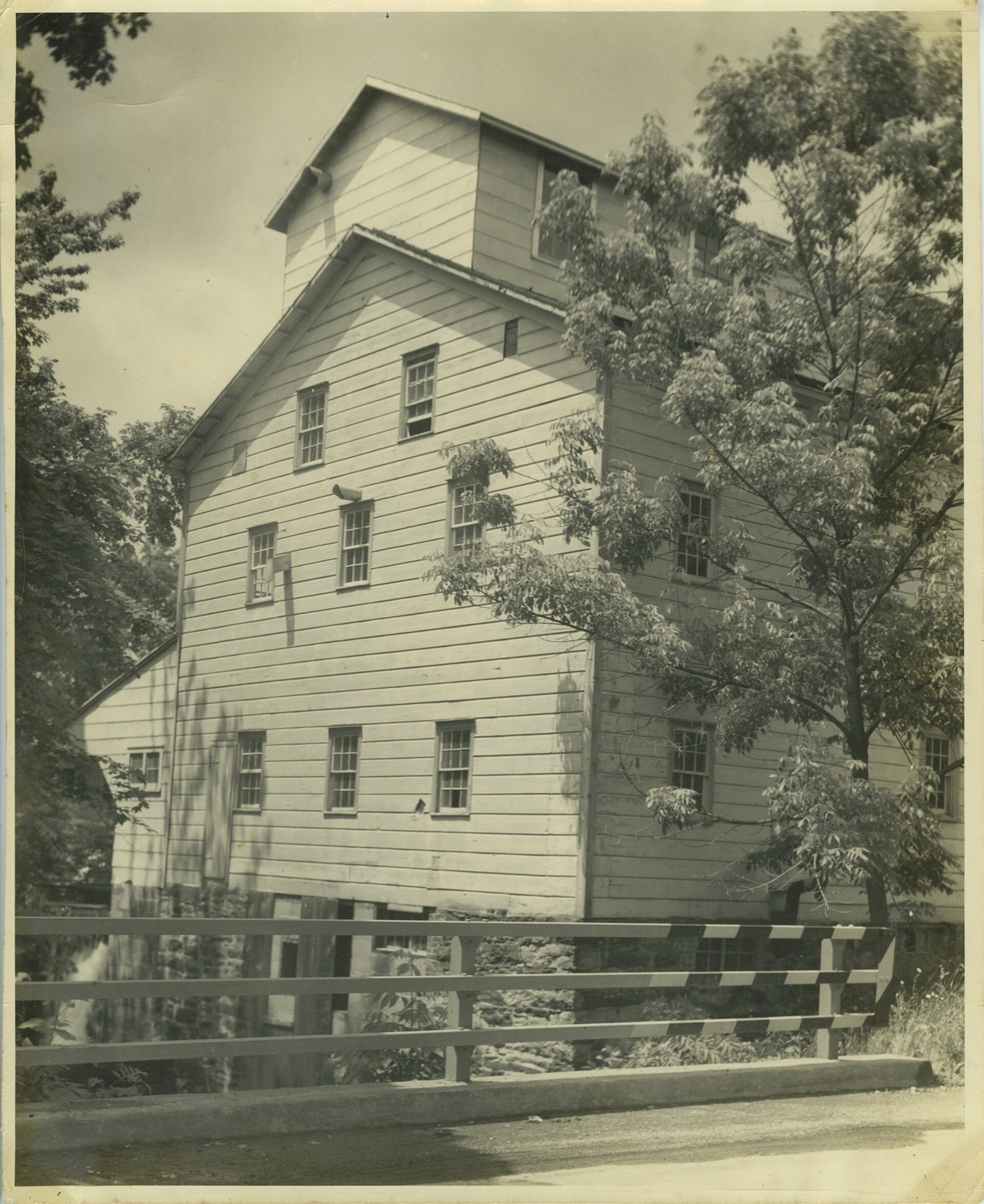
In 2007 the state created a farm distillery licence for producers who use mostly New York agricultural products. It cut licensing costs, and later reforms added tastings, on-site bars and direct sales. It worked: distilleries opened across the state. Kings County Distillery set up in Brooklyn in 2010 and later moved into a historic building in the Brooklyn Navy Yard, close to where those nineteenth-century raids took place.
Empire Rye
In 2015 a group of New York distillers agreed a standard for a regional style called Empire Rye. It is a certification mark rather than a federal category, and it is stricter than the federal rye rules:
Empire Rye in brief
- Grain
- At least 75% New York State-grown rye
- Production
- Mashed, fermented, distilled, barrelled and aged at a single New York distillery
- Barrel
- New, charred oak
- Barrel entry
- No more than 115 proof
- Age
- At least two years
- Founding members
- A small group of New York craft distilleries, with more joining later
For cocktails, Empire Rye style whiskeys tend to be grain-forward and spicy. They make a very good rye, honey and lemon highball, especially with honey from a New York apiary.
Honey, apples and grain: a farm state
The farm licence encouraged distillers to source locally, and that changed menus. New York bars now pour rye from upstate grain, sweetened with wildflower honey from upstate hives and lifted with New York cider or sparkling wine. A few producers have gone further and canned the combination: a Hudson Valley or Finger Lakes rye, local honey, lemon and bubbles in a single can. Our canned cocktails guide looks at that trend.
Saratoga, racing and casinos
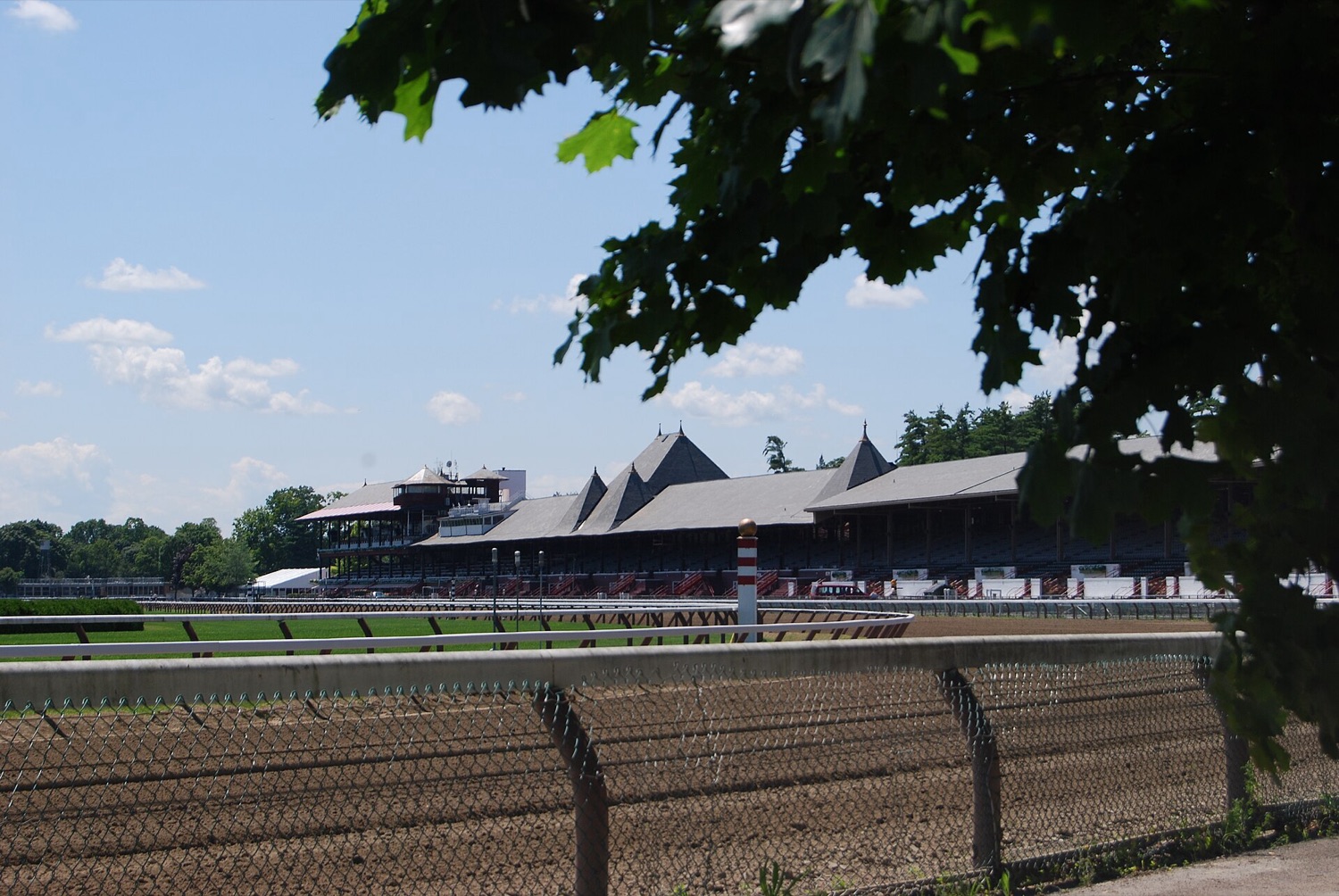
No tour of New York drinking is complete without Saratoga Springs. Saratoga Race Course opened in 1863 and still runs a summer meet that fills the town every July and August. The town's Canfield Casino, built in 1870 as a private club house for high-stakes players, was once one of the most famous gaming rooms in America and is now a museum. Modern New York has licensed full casinos too, such as del Lago in the Finger Lakes and Resorts World Catskills, and their bars increasingly stock local rye.
If you are planning a racing day, read our guide to how race betting works. The win, place and show bets explained there work the same at Saratoga as at Churchill Downs.