The Gold Rush: How a Bourbon Sour Became a Modern Classic
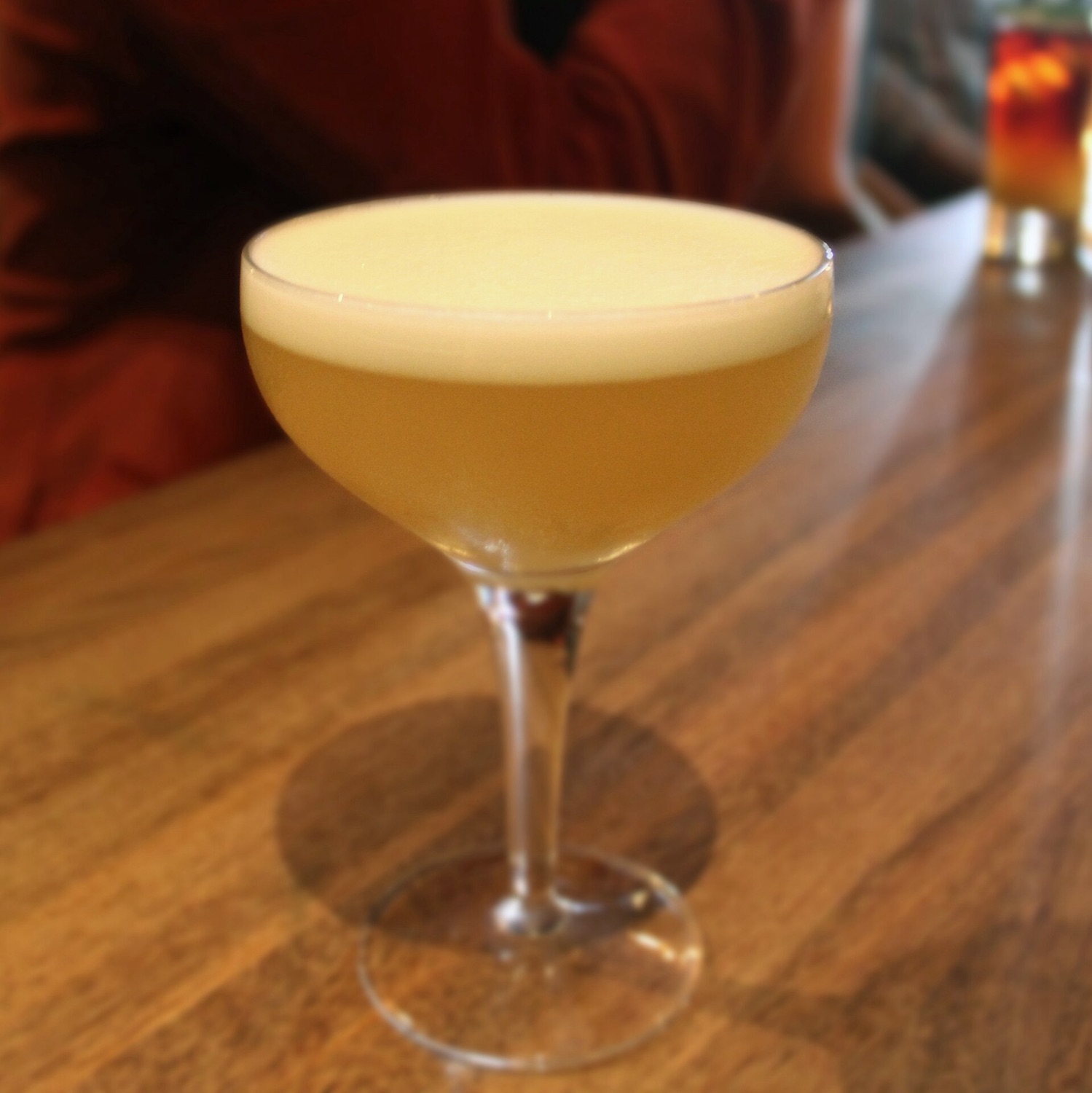
Three ingredients, no garnish, no egg white. The Gold Rush is a whiskey sour with honey syrup in place of sugar, and that single swap turned a regular's order into one of the most widely poured cocktails of the past quarter-century.
Where the Gold Rush comes from
The drink was born at Milk & Honey, the reservation-only bar Sasha Petraske opened on New York's Lower East Side in 1999. The usual telling is that T.J. Siegal, a friend of Petraske's who was not yet a bartender, sat down after work around 2000 or 2001 and ordered his regular bourbon sour on the rocks. Petraske had a honey syrup on hand for another drink, Siegal asked for it instead of simple syrup, and the drink was named before the glass was empty.
Milk & Honey had no fixed menu at first, which is part of why so many of its drinks spread: bartenders who trained there took the house specs with them to bars in London, Melbourne and New York. The Gold Rush travelled furthest of all, along with its cousin the Penicillin.
Gold Rush
- 2 oz (60 ml) bourbon
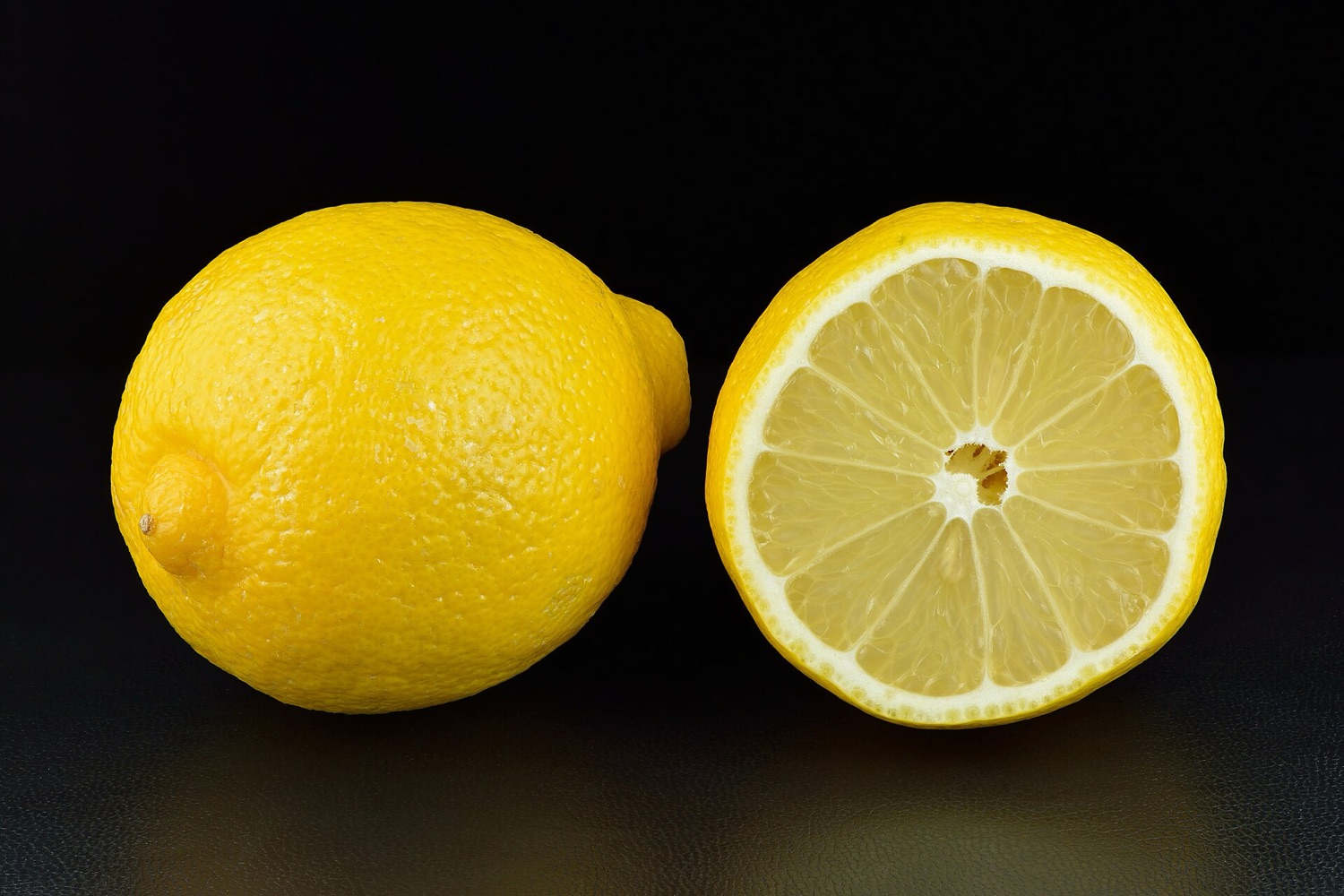
- ¾ oz (22 ml) fresh lemon juice
- ¾ oz (22 ml) honey syrup, 1:1 or 3:1 (see our honey syrup guide)
Shake hard with ice for about ten seconds and strain into a rocks glass over one large cube. No garnish needed; a lemon twist is fine if you like the aroma.
Why honey changes the sour
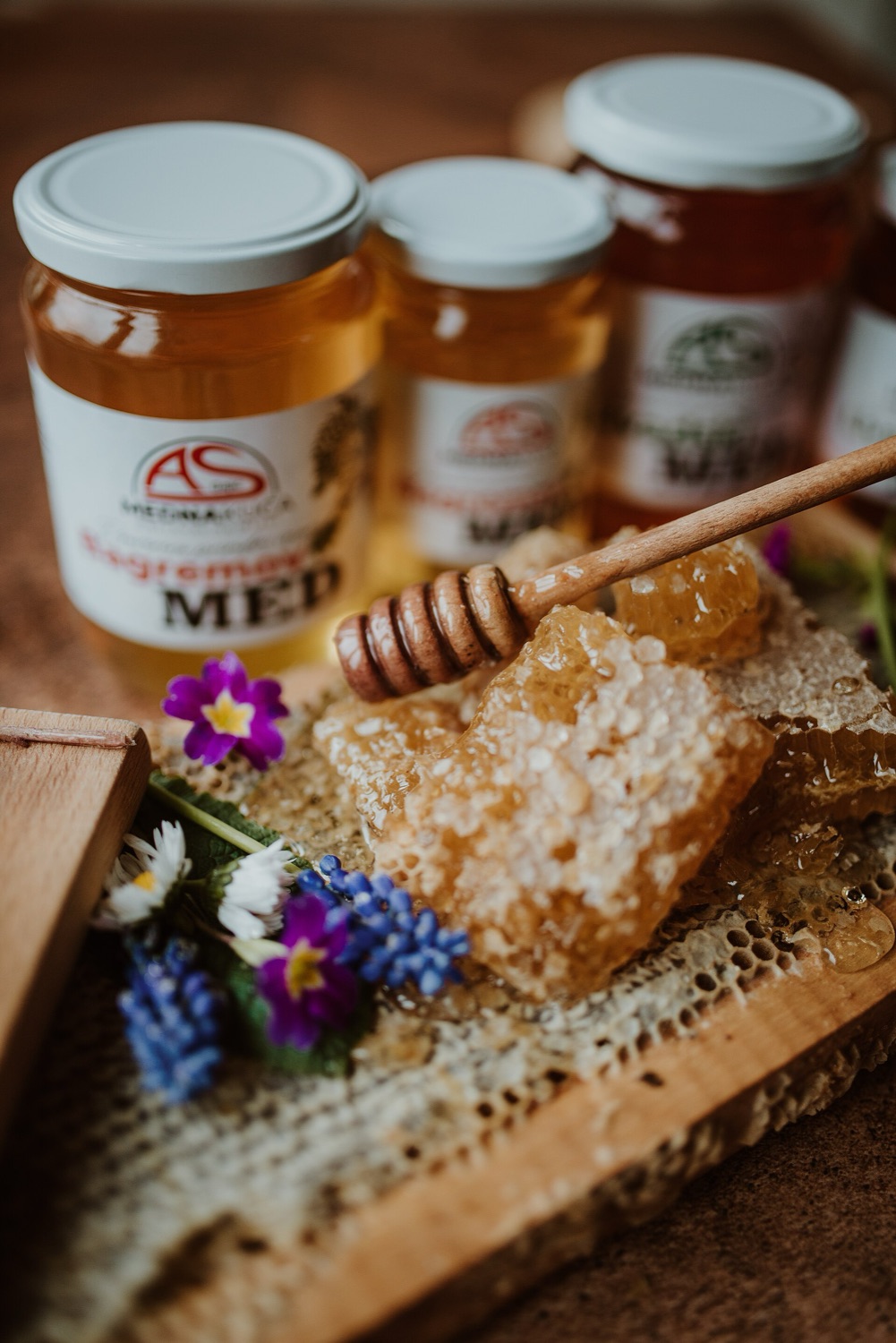
Sugar syrup is neutral. Honey brings flavour of its own: floral notes from wildflower honey, a darker, malty edge from buckwheat, a citrus lift from orange blossom. It is also thicker, so the drink feels rounder in the mouth even at the same sweetness. Against the vanilla and caramel of bourbon, honey reads as warm rather than sugary, which is why the Gold Rush feels richer than a standard whiskey sour without being heavier.
| Drink | Spirit | Sweetener | Extra |
|---|---|---|---|
| Whiskey Sour | Bourbon or rye | Simple syrup | Often egg white |
| Gold Rush | Bourbon | Honey syrup | None |
| Bee's Knees | Gin | Honey syrup | None |
| Penicillin | Blended Scotch | Honey-ginger syrup | Islay Scotch float |
| Brown Derby | Bourbon | Honey syrup | Grapefruit instead of lemon |
Bourbon or rye?
The classic spec calls for bourbon, and a higher-proof bottle (around 100 proof) stands up best to the honey and dilution. Rye whiskey makes a drier, spicier Gold Rush that many drinkers prefer in summer. A four-year-old New York rye, for instance, gives a peppery finish that cuts the honey nicely. If you are not sure which way you lean, our guide to rye vs bourbon explains the difference.
Make it long: the Gold Rush highball
Top a Gold Rush with three or four ounces of chilled soda water and it becomes a tall, bright drink close to a Whiskey Collins. Use slightly less lemon, build it in a tall glass over ice and stir once. This is the same idea behind the rye, honey and lemon highball and behind several canned sparkling whiskey drinks.
A name with a gamble in it
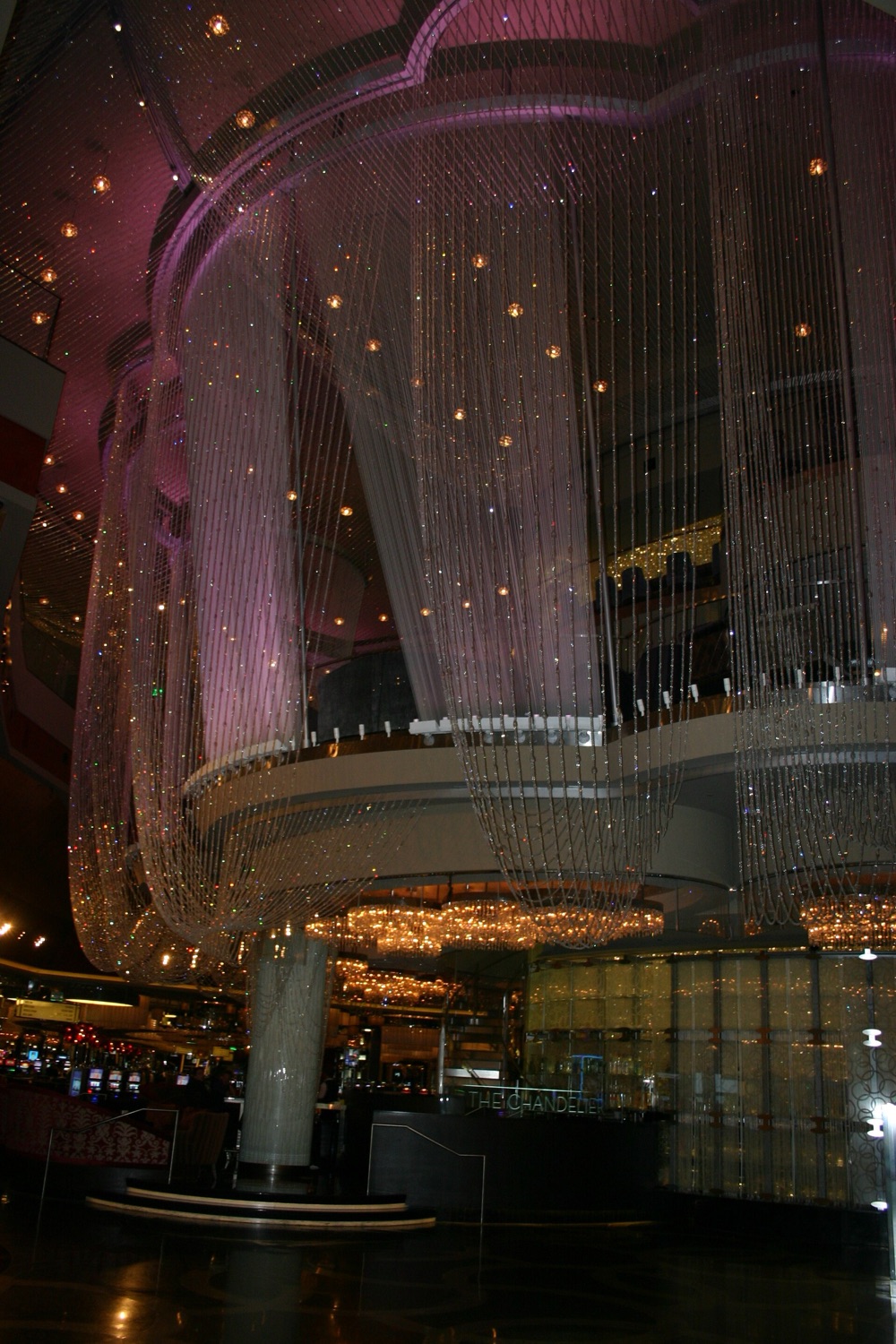
Siegal named the drink on a whim, but the name fits the history. The real gold rushes in California and the Klondike were boom times for saloons, and the saloons were where the card tables were. In Dawson City, Yukon, Diamond Tooth Gertie's Gambling Hall still deals blackjack and roulette in a town built by the 1898 stampede. Order a Gold Rush in a casino bar today and you are drinking in a tradition older than the cocktail. We look at the best of those bars in Las Vegas casino cocktail bars, and at how to theme a casino night at home around honey drinks.
Bar tip: if your honey syrup is the thick 3:1 kind, shake a few seconds longer. The extra dilution keeps the drink from tasting syrupy.